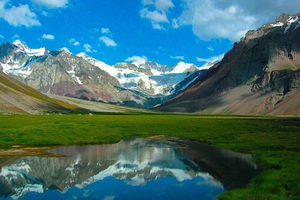
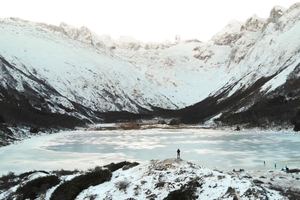
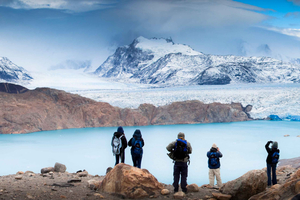
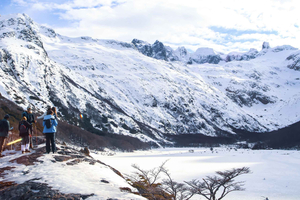
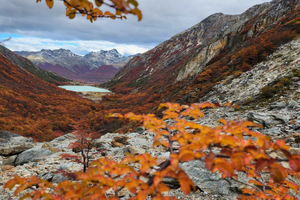
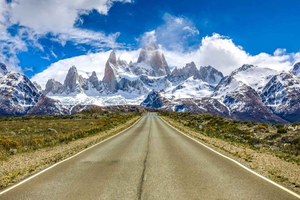
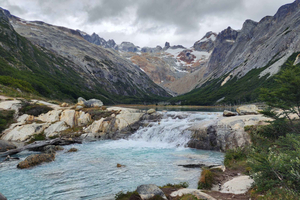
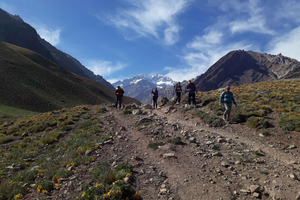
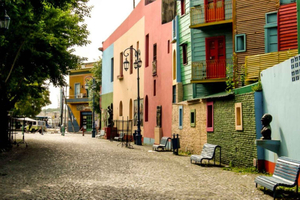
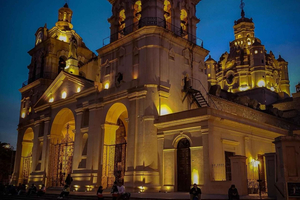
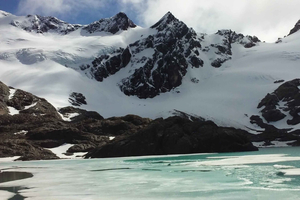
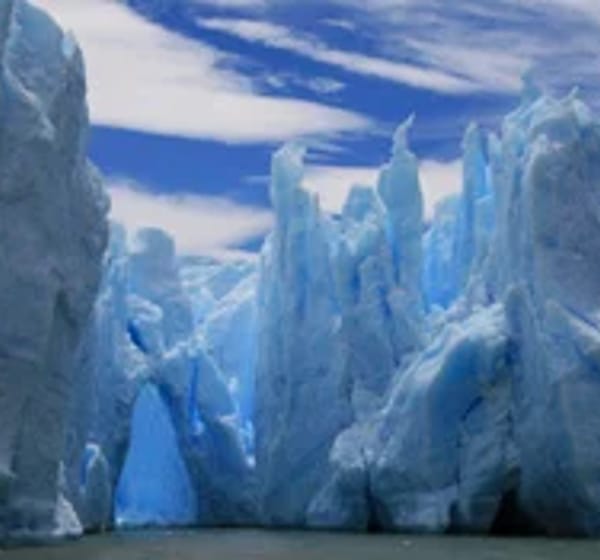
Argentina is a playground for hikers who love wild nature and a bit of challenge. From the dry winds around the southern Patagonian steppe to the lush trails near Mendoza, there’s something unforgettable in every step you take. If you’ve got a few days, head to El Chaltén. It’s the unofficial trekking capital, where the Fitz Roy massif dominates the skyline. Trails like Laguna de los Tres will test your legs, but the views? Absolutely worth every drop of sweat.
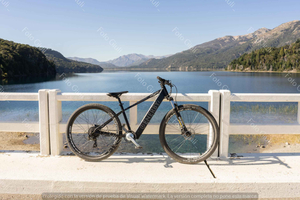
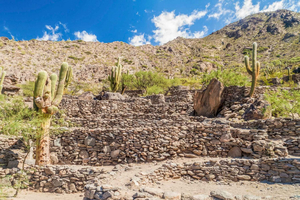
Up north, the Quebrada de Humahuaca offers hikes through colorful canyons and tiny villages where the air feels ancient. And if you want to try high-altitude trekking, the paths around Bariloche in the Lake District are stunning, even if a little cooler than the deserts farther northwest. Fun tip: start early to avoid afternoon winds, especially in Patagonia. Bring layers , the weather changes fast, and those chilly mountain gusts can surprise you. Argentina’s trails aren’t just about the views but the moments between - spotting a condor or chatting with locals along the way. You’ll leave with more than photos; you’ll have stories.
🌍 Part of the My Guide Network180+ destinations worldwide
If you’re planning to trek in Patagonia, trust me on this: don’t underestimate the wind. It can make an easy trail feel like a battle. I always start hikes early to avoid the fiercest gusts that roll in the afternoon. Oh, and try to stay a bit overnight in El Chaltén, even if it’s just for one night. The quiet morning light on the granite peaks is something you won’t catch on a day trip. Also, if you hit Mendoza, take a side trip to the Andes foothills for a relatively gentle hike with stunning views and fewer crowds. It’s my go-to when I want to escape but can’t get down south.
Frequently Asked Questions
Got questions about hiking and trekking in Argentina? Here are some answers from someone who’s been there.
Late spring to early autumn, roughly November to March, is your best bet. The weather’s warmer and the days are longer. Just keep an eye on the forecast,Patagonia loves to flip from sunshine to windstorm in minutes.

You don’t have to get a guide for most trails around El Chaltén; they’re well-marked. Still, if you’re aiming for multi-day routes or want deeper insights about the area’s geology and wildlife, a local guide can add a lot.
Always tell someone your plans if you’re going off the beaten path. Carry water, proper gear, and maybe a map or GPS. Cell service can be spotty, especially in the mountains or deserts.
Layering is key: breathable base layers, a warm fleece, a good waterproof jacket, and sturdy boots. Don’t forget sunscreen and a hat , the sun at altitude hits harder than you’d expect.
Absolutely, there are plenty of family-friendly trails like the ones around Bariloche’s lakes or scenic walks near Mendoza vineyards. Just pick shorter routes and keep a relaxed pace.
For Aconcagua, you’ll fly into Mendoza and then take a bus or drive to the trailheads. Cerro Torre’s base in El Chaltén requires a bit more legwork but is easy to reach by bus or shuttle from El Calafate. Renting a car gives you more freedom if you want to explore multiple trails.