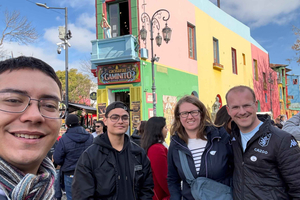
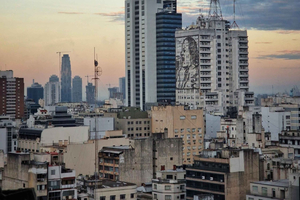
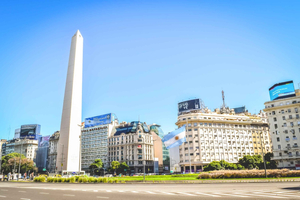
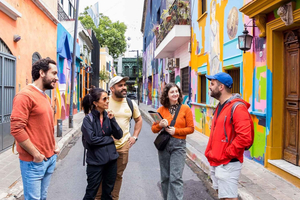
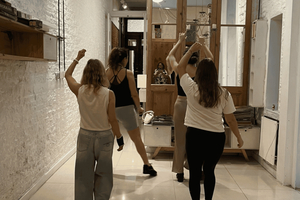
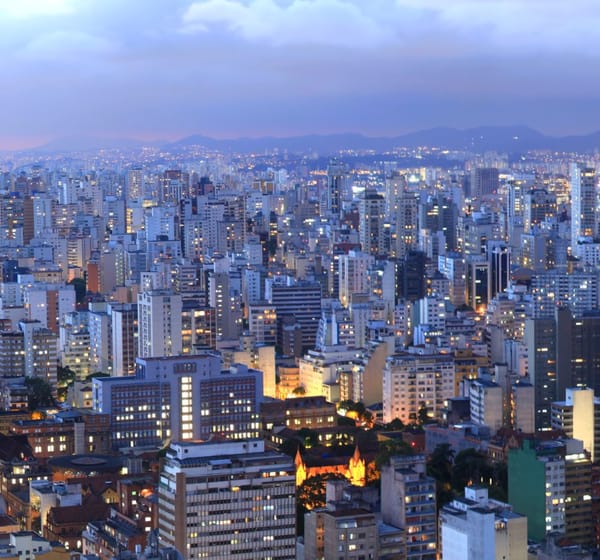
If you want to see Argentina beyond the usual tourist spots, guided walks are the way to go. There's something about strolling with someone who knows the hidden stories and spots tucked between the big sights that changes everything. In Buenos Aires, for example, a guided walk through San Telmo on a Sunday morning will have you sipping mate alongside locals at a little plaza you never would’ve found alone.
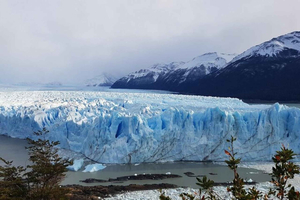
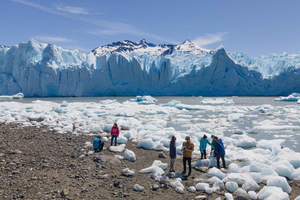
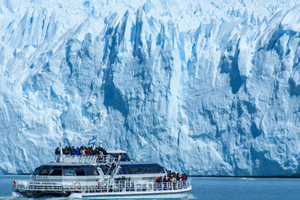
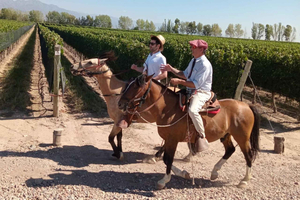
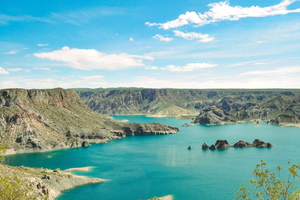
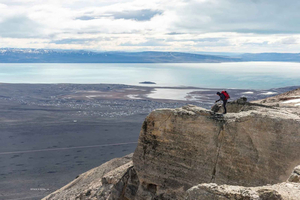
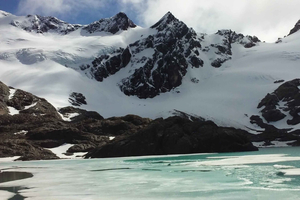
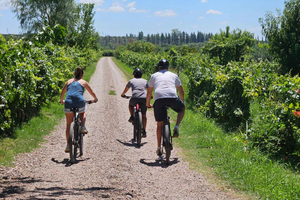
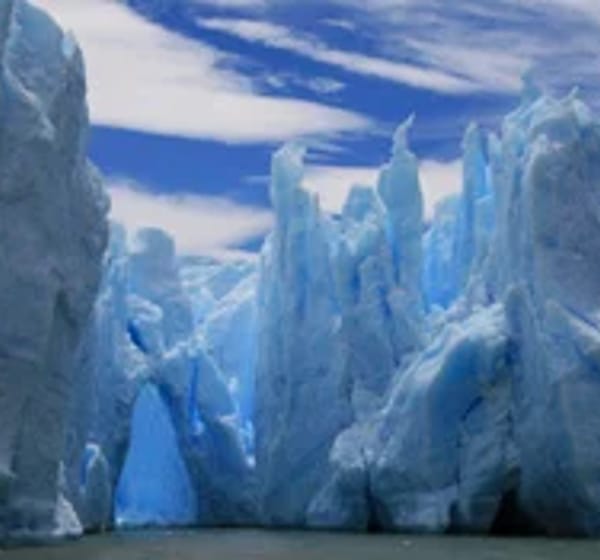
And it’s not just the city. In Mendoza, a walk among the vineyards with a local guide isn’t just about wine tasting,it’s about understanding the land, the people, and those quirky details like why Malbec thrives here. In Patagonia, a guided trek near El Chaltén can help you avoid common pitfalls like missing out on a secret viewpoint or getting lost on a misty trail.
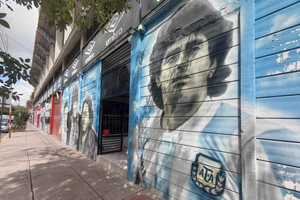
Here’s a tip: seek out guides who genuinely love their neighborhood or region. Not the touristy spiel, but the honest, personal kind of enthusiasm. You’ll get the slice of Argentina’s real everyday life , the graffiti on a street corner, the best spot to grab a choripán after a walk, or how the seasons change the feel of a barrio. And you’ll come away remembering the people more than the landmarks.
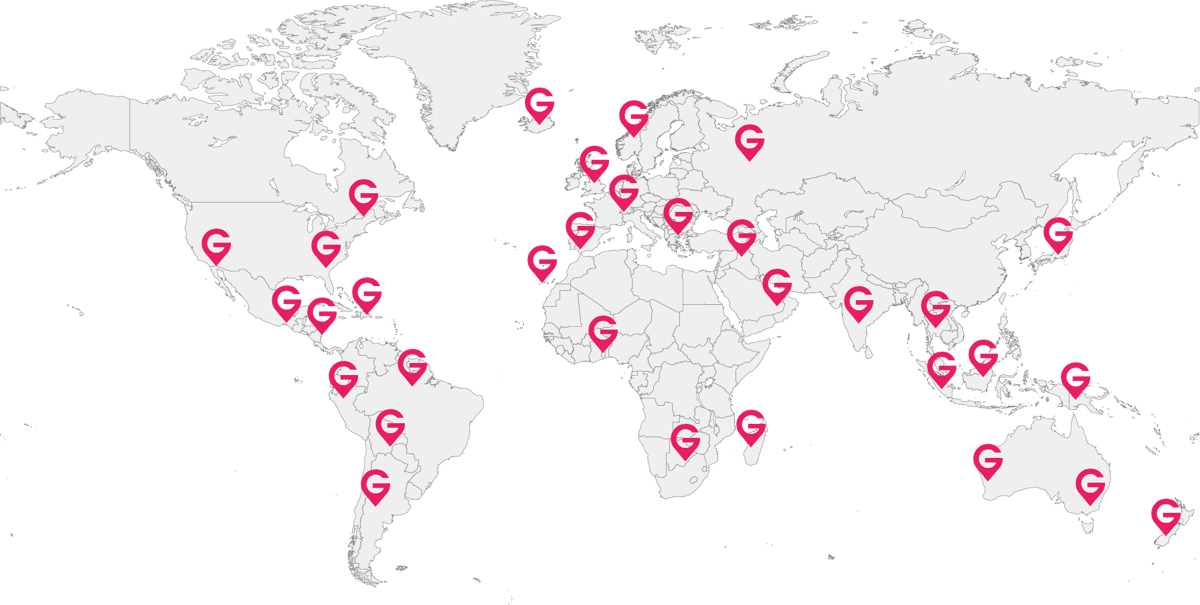
🌍 Part of the My Guide Network180+ destinations worldwide
If you want to truly enjoy guided walks in Argentina, don’t rush through them like ticking boxes. One of my favorite things is wandering San Telmo with an old porteño who points out tiny street art and tells stories about street vendors from decades ago. It’s those little details that don’t make it into guidebooks.
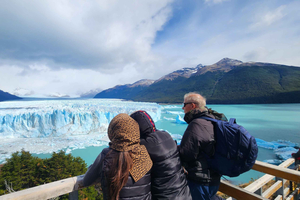
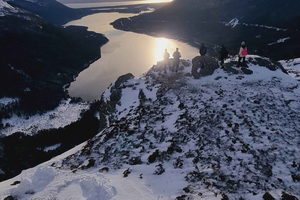
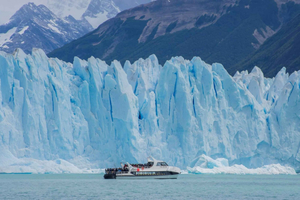
And if you’re hitting Patagonia, pick a guide who’s familiar with the tricky mountain weather. One time, on a walk near Fitz Roy, our guide saved the day by suggesting a scenic detour that turned out to be the best part of the hike. Trust the local knowledge, it’ll make your trip way better.
Frequently Asked Questions
Got questions about guided walks in Argentina? Here are some answers to help you out.
Most guided walks focus on exploring areas on foot, especially in cities like Buenos Aires or Córdoba where walking is the best way to soak it all in. But some tours might mix in short drives, especially in wide open areas like Patagonia or the wine regions.
For cities like Buenos Aires or Córdoba, spring and fall are ideal , milder weather and fewer crowds. Patagonia’s peak trekking season is summer (December to February), but be ready for sudden weather changes. Mendoza wine walks are lovely in the harvest months of March and April.
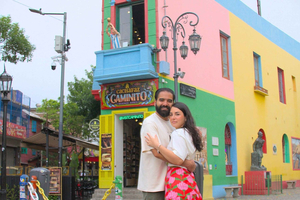
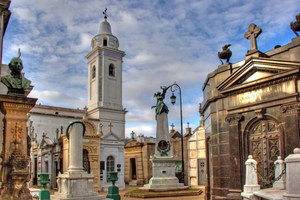
Absolutely, though it depends on the walk. City strolls in neighborhoods like La Boca or Recoleta are usually family-friendly and not too strenuous. Mountain or long nature hikes might be tougher with little ones, so check the route’s difficulty beforehand.
Most guides in tourist areas speak English fairly well, but it’s not always guaranteed. If you want the full story and a chat, brushing up on some Spanish helps a lot. Plus, locals appreciate the effort.
Look for small, independent operators or guides with strong local ties. Sometimes Airbnb Experiences or local Facebook groups can lead you to people who guide just because they love their neighborhood. Word of mouth or reviews mentioning personal touches often signal a more genuine experience.
Definitely yes. Places like Salta, Bariloche, or Puerto Madryn offer guided walks that show off local culture and nature, but without the usual crowds. It’s one of the best ways to see a different side of Argentina.