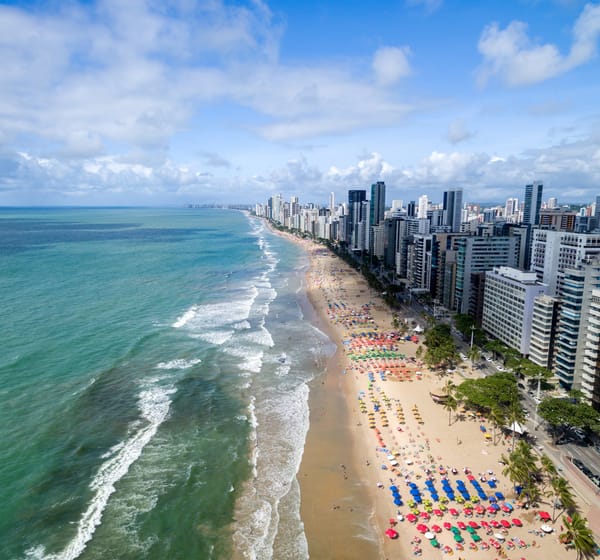
If you want to see Argentina from a fresh angle, hopping on a ferry ride is a no-brainer. Buenos Aires, in particular, has some neat ferry routes that cut across the Rio de la Plata,heads up, this river is actually the widest in the world, so the views are pretty epic. The vibe on the ferries is laid-back, and locals use them all the time, so you get a genuine slice of daily life.
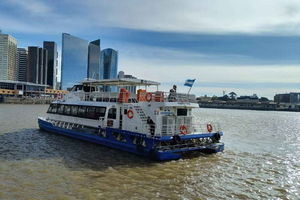
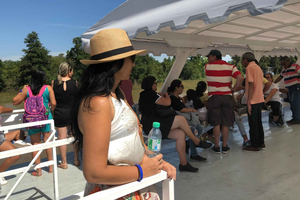
One favorite spot for locals and travelers alike is the ferry to Colonia del Sacramento in Uruguay. It’s about a one-hour ride from Buenos Aires, and along the way, you can watch the sun hit the water differently than you’d see it from land. If you’re lucky, you might glimpse dolphins or even some cargo ships cutting through the water. Pro tip: take a seat on the side nearest to Buenos Aires for the best skyline views as you leave the city. And if you’re traveling during summer, afternoons can get pretty warm on deck, so bring a hat and water.
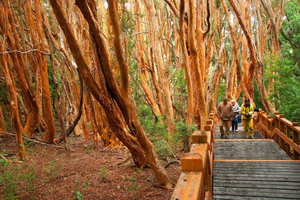

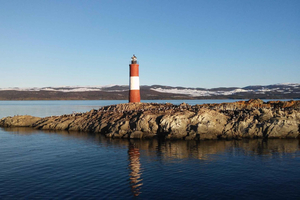
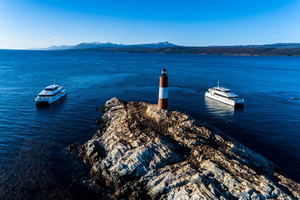
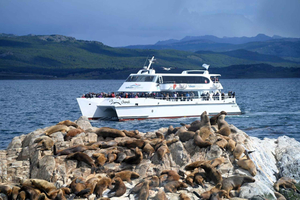
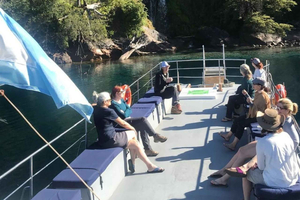
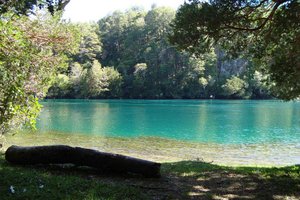
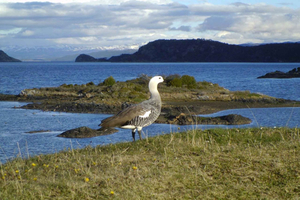
Away from Buenos Aires, ferry rides near Patagonia offer a different vibe,think glaciers and Andean peaks reflected in fjord waters. If you’re planning a trip around Ushuaia or Bariloche, ferry crossings are often part of serious adventures, not just quick sightseeing stops. So pack your camera and don’t sit inside the cabin the entire time; the fresh air does wonders.
🌍 Part of the My Guide Network180+ destinations worldwide
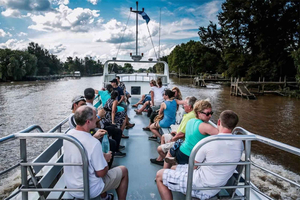
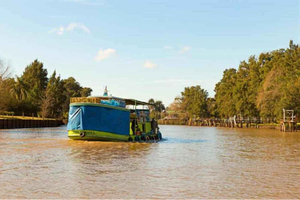
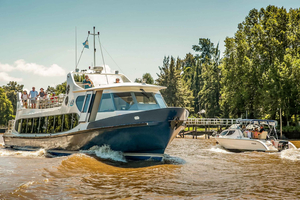
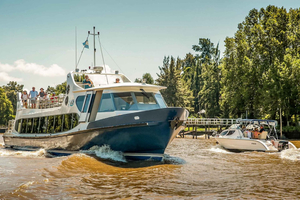
If you’re in Buenos Aires, don’t miss taking the ferry to Tigre. It’s a quick trip up the Paraná Delta, and the scenery is like a totally different side of Argentina,lush, quiet, and dotted with tiny islands and wooden homes. The Tigre market near the docks is a great spot to stop for a mate or fresh fruit.
One odd little trick: buy your ferry ticket a bit before boarding, because some lines can get surprisingly long in late afternoon. And the best time for light and photo ops is usually just after sunrise or an hour before sunset. Trust me, it’s worth waking up early for.
Frequently Asked Questions
Here are some helpful answers to common questions about ferry sightseeing in Argentina.
Yes, they’re generally safe and pretty punctual. Locals use these ferries regularly to get around, especially the ones between Buenos Aires and Uruguay. Just watch your belongings during busy hours, but overall it’s an easy way to travel.
Late spring through early fall (October to March) is ideal. The weather’s milder and the water’s calmer. Winter crossings are colder and sometimes less scenic because of clouds and rough seas.
Most ferries allow snacks and drinks, but full meals might be restricted, especially on smaller or shorter trips. On longer rides like Buenos Aires to Colonia, there’s usually a cafe onboard, but I always carry my own water and some empanadas just in case.
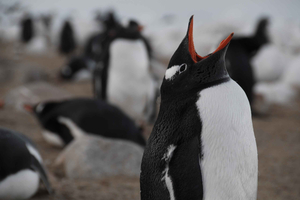
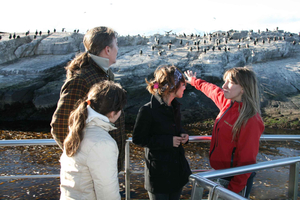
Absolutely. In Patagonia, ferries that cross channels near Ushuaia or Puerto Madryn sometimes let you see sea lions, penguins, and even whales depending on the season. Just be ready with binoculars and a patience for spotting.
For popular international routes, like Buenos Aires to Uruguay, I’d highly recommend booking ahead, especially in summer or around holidays. Local commuter ferries can usually be bought last-minute but might be crowded during rush hour.
Big, modern ferries usually have some accessibility features, but smaller boats might not. It helps to check with the ferry company directly before you plan your trip to be sure.