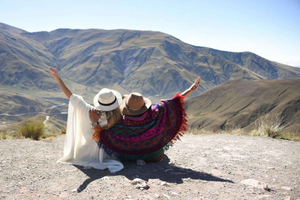
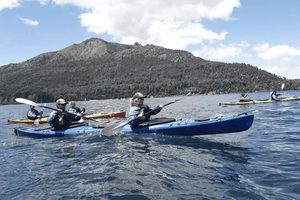
Argentina isn’t just about Buenos Aires and the tango, though that’s a fantastic place to start. You'll find yourself hiking around the jagged peaks of Patagonia one day and sipping Malbec in Mendoza the next. And trust me, the outdoor adventures here are something else,think glacier trekking near El Calafate or whale watching off the Valdés Peninsula.
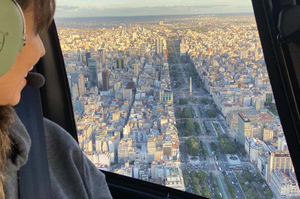
If city life's more your pace, Buenos Aires has neighborhoods worth spending days exploring, like Palermo's street art or San Telmo’s antique markets. Late nights often mean grabbing a bite of milanesa and catching live music at a hole-in-the-wall spot locals swear by. For a tip, avoid dining near tourist traps; head instead to local bodegas or parrillas in less obvious barrios.
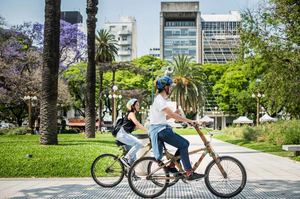
Boat trips on the Tigre Delta, wine tastings in cozy family-run vineyards, or even a mate picnic in a city park,Argentina’s variety means you can tailor your trip exactly how you want it. Just keep an eye on the seasons,summer can be sweltering in the north but perfect for Patagonia’s cool hikes. It’s a place that invites curiosity, so don't be afraid to wander off the beaten path.
🌍 Part of the My Guide Network180+ destinations worldwide
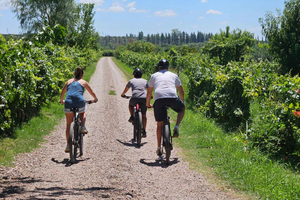
If you’re heading to Mendoza, skip the big-name vineyards and try to visit smaller, family-run bodegas around Maipú or Luján de Cuyo. You get tastings straight from the winemakers and often a laid-back picnic option. Also, don’t miss trying a 'picada' with local cheeses, cured meats, and olives,perfect with a glass of local wine.
When trekking in Patagonia, I always suggest packing layers and some extra snacks, because weather changes fast and some trails take longer than expected. And if you can, visit the little town of El Chaltén,it’s quieter and has some of the best day hikes in Argentina.
Frequently Asked Questions
Got questions about what to do in Argentina? Here are some answers from a local.
Spring (September to November) and fall (March to May) are great for most outdoor stuff,less crowded and the weather’s usually mild. Patagonia is best in summer, but even then, pack for sudden weather changes. I once got caught in a hailstorm while hiking, so always be prepared!
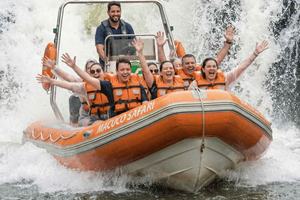
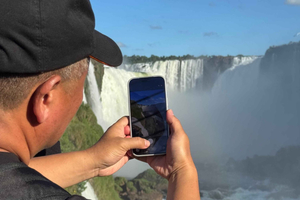
You can definitely explore solo, especially in the cities. But for places like Iguazú Falls or the glaciers, a guide adds serious value,they know the secret trails and less busy viewpoints. Plus, guides often share stories you won’t find in guidebooks.
Head to a milonga in Buenos Aires, like La Viruta or Salon Canning in Palermo. They’re lively spots where locals go to dance and teach beginners. It’s more relaxed than the big tourist shows and you’ll get a real feel for the scene.
Basic Spanish helps a lot, especially outside big cities. But you’ll find many people in tourism hotspots speak some English. Still, learning simple phrases like '¿Dónde está…?' or 'Gracias' goes a long way and locals appreciate it.
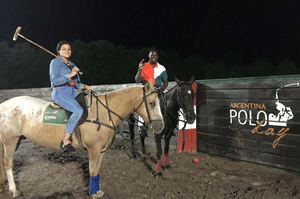
Absolutely. Check out horseback riding in the Pampas near San Antonio de Areco or birdwatching in the Esteros del Iberá wetlands. Both offer a quiet, authentic experience far from the usual crowds.